The Most Common Phone Scams in the UK Right Now
These aren't theoretical – they're the scam types appearing most frequently in our community reports from people across England, Scotland, Wales and Northern Ireland.
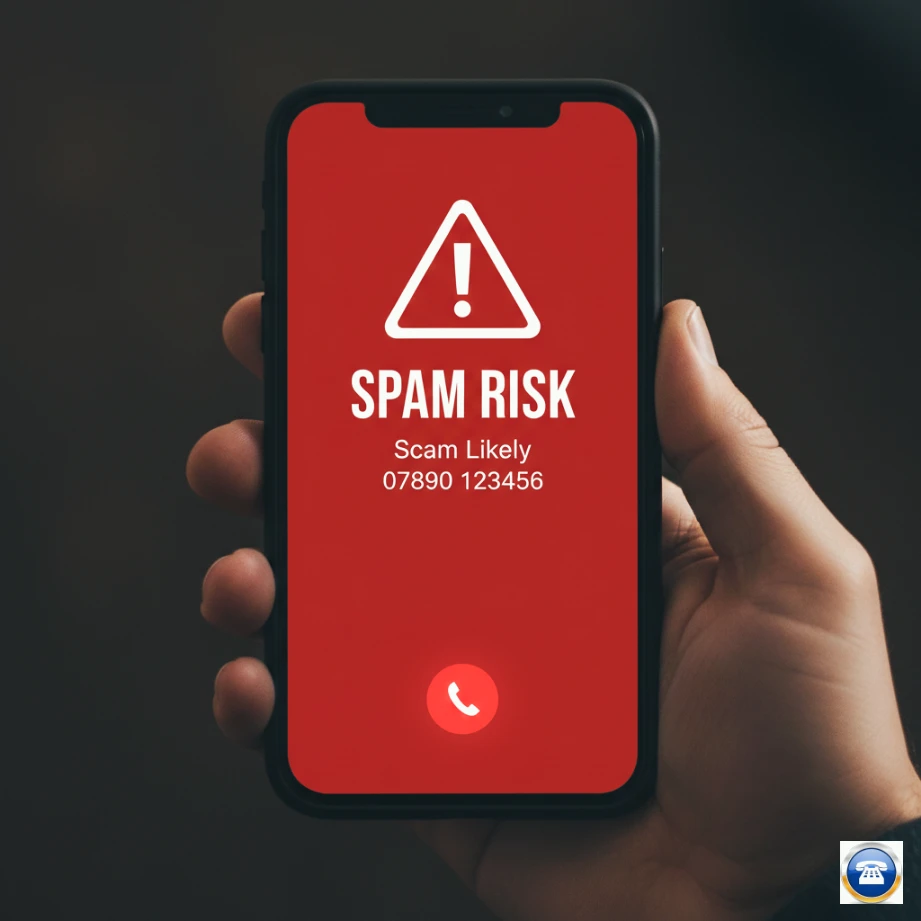
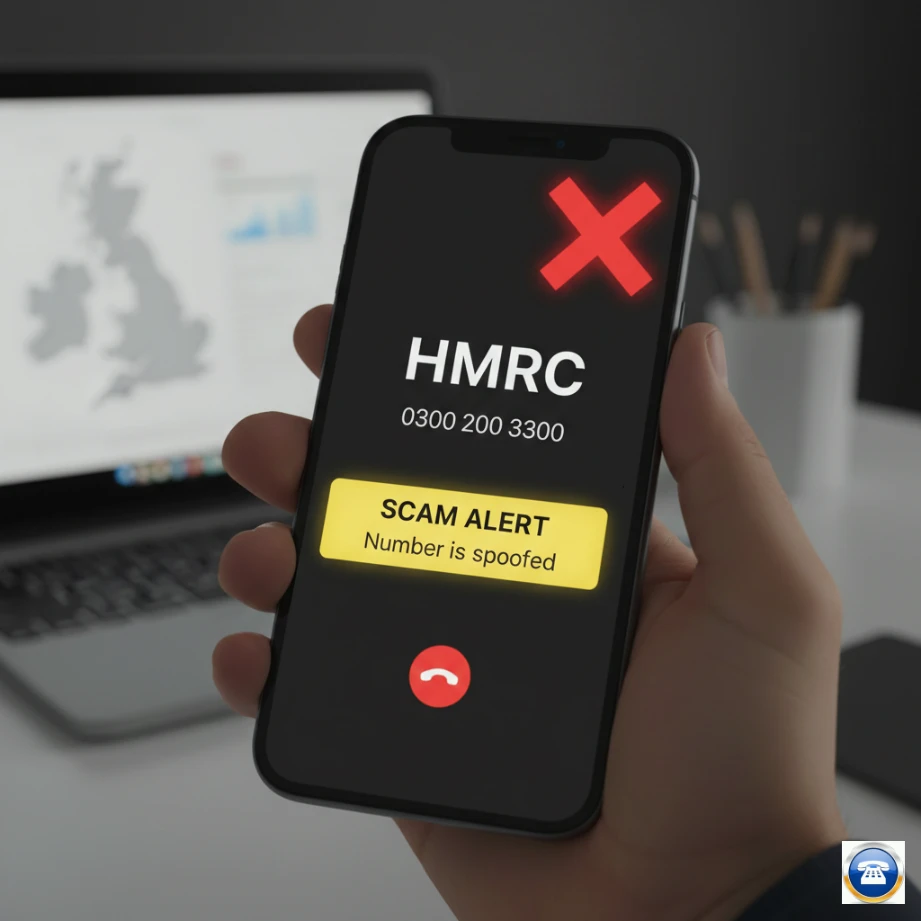
Before You Read: Every Scam Call Can Hide Its Real Number
All of the scam types below have one thing in common – the number that appears on your screen when they call is almost certainly not the real number they're calling from. This is called number spoofing and it costs criminals almost nothing to do.
Even if a call appears to come from your bank's official fraud line or HMRC's real number – look it up on who-called-me.uk before taking any action. Other people who received the same spoofed number will have already reported it.
Bank & Finance Fraud Calls
HIGHEST RISK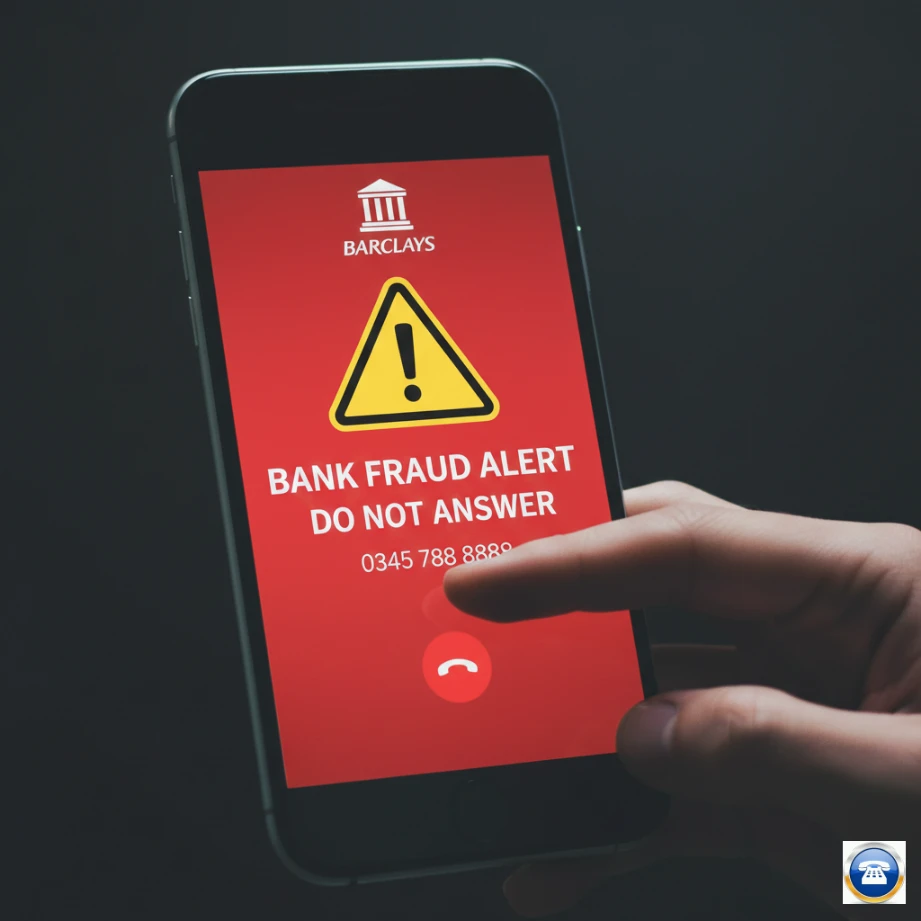
This is the big one. A caller claims to be from the fraud department of your bank – often naming Barclays, Lloyds, HSBC, NatWest, Halifax or Santander. They'll say your account has been compromised and that you need to act immediately to protect your money.
The script almost always involves asking you to move your savings to a "safe account" set up by the bank. That account belongs to the scammer. Others ask you to confirm card details, PINs or online banking passwords. Some will send a courier to your door to collect your card.
Warning signs to watch for:
- Urgency – you're told you must act now or lose everything
- They ask you to stay on the line while you call your bank (they don't hang up)
- They know your partial account details – this can be bought or stolen from data breaches
- A courier is offered to collect your debit or credit card
- They ask you to download remote access software like AnyDesk or TeamViewer
HMRC & Government Impersonation
VERY COMMON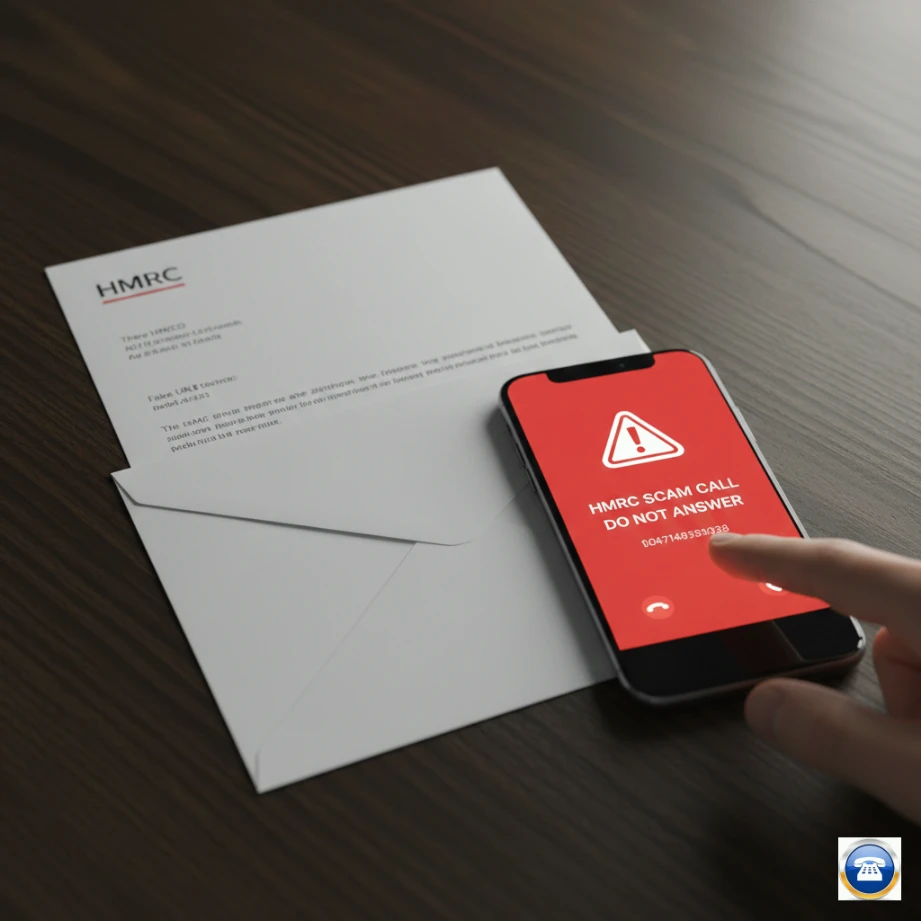
A recorded message or live caller claims you owe unpaid tax to HMRC. You're told a warrant is about to be issued for your arrest unless you pay immediately – usually via bank transfer, gift cards or cryptocurrency. The fear of legal trouble makes people panic and pay without thinking.
Variations include fake National Insurance number suspension calls, council tax arrears threats, and benefits overpayment demands. Some impersonate DWP, the Home Office or even the police.
Tell-tale signs of HMRC scam calls:
- Automated voice demanding you press a number or face legal action
- Payment demanded in iTunes gift cards, Google Play cards or Bitcoin
- They claim your National Insurance number has been "suspended" – this isn't a thing
- The number appears as 0300 200 3300 – HMRC's real number is frequently spoofed
Parcel & Delivery Scams
RISING FASTUsually starts as a text message from "Royal Mail" or "DPD" saying a parcel couldn't be delivered and a small fee is needed. Follow-up phone calls are increasingly common, especially when the text link harvest has already captured some personal details and the scammer wants to extract financial information over the phone.
The fee requested is typically small – £1.99 or £2.50 – because the real goal is capturing your full card details for much larger future transactions. Once they have your card number, expiry and CVV, they can make purchases or sell the details.
- Unexpected text about a parcel you weren't expecting
- Tiny fee requested via a link that looks similar to a real courier site
- Follow-up call claiming to be from courier customer service
- Pressure to provide card details over the phone to release the parcel
Tech Support & ISP Scams
VERY COMMONA caller claims your broadband router has been hacked, your computer has a virus, or your BT/Virgin/Sky connection is showing suspicious activity. They offer to fix the problem remotely and ask you to download software that gives them full access to your screen and files.
Once inside your computer, they can see your banking apps, saved passwords, and files. Some also access your banking app directly while you watch, pretending to run a security check. Microsoft, BT, Virgin Media, Sky and TalkTalk have all stated they never make unsolicited cold calls about technical issues.
- Call from "Microsoft", "BT Security", "Openreach" or similar without you contacting them first
- They ask you to go to a specific website or type a command into your computer
- Request to install AnyDesk, TeamViewer, Zoho Assist or similar remote tools
- After "fixing" the problem, they ask for a payment fee or gift card as thanks
Investment & Cryptocurrency Fraud
HIGHEST LOSSESCold calls offering investment opportunities with guaranteed or unusually high returns. Common pitches involve cryptocurrency trading platforms, gold, foreign exchange, shares in pre-IPO companies or carbon credits. The FCA estimates UK investors lost over £1.2 billion to investment fraud in a recent 12-month period – the highest average loss per victim of any phone scam type.
Often these operations run for weeks or months, with victims initially making small profits (which are fake, designed to build trust) before being encouraged to invest their life savings. When the victim tries to withdraw, they're asked to pay a "release fee" or "tax" – which is also stolen.
- Unsolicited call about an investment opportunity you didn't seek out
- Returns sound too good to be true – because they are
- Pressure to invest quickly before a "window closes"
- The firm isn't on the FCA register or is impersonating a real regulated firm
- Requests for payment via bank transfer, crypto or international wire
Missed Call & Wangiri Scams
GROWING"Wangiri" is Japanese for "one ring and cut" – a scam where your phone rings once from an unknown international or premium rate number, then the caller hangs up before you answer. The idea is that curiosity makes you call back, where you're connected to a premium rate line and charged by the minute.
UK numbers starting with 070 (personal numbering) are particularly associated with this because calls to them can cost as much as 65p per minute. International numbers in the +881, +373, +374 range have also been used. If you missed a call from an odd-looking number, look it up here before dialling back.
- Phone rang once or twice and the caller hung up
- Number starts with 070, 076, or an unusual international dialling code
- No voicemail was left
- The number appears to switch each time you get a missed call