Every week, hundreds of thousands of people across the UK receive fraudulent phone calls. This guide explains exactly how these scams work, what the warning signs are, and what to do when someone who called you turns out to be a criminal.
Understanding how scammers work makes you much harder to fool. The vast majority of phone fraud targeting UK residents follows predictable patterns – and once you recognise those patterns, the calls become obvious.
Most large-scale phone fraud operations targeting UK residents are run from overseas – commonly from South Asia, West Africa and Eastern Europe, though some UK-based operations also exist. They use cheap internet telephony (VoIP) to make calls, which means the actual cost of dialling thousands of UK numbers per day is almost nothing. This is why cold calling is so relentless and why so many people are asking "who called me" every single day.
Every scam call follows the same psychological playbook regardless of the specific story being told. The three core ingredients are always present:
Once you know to look for these three things, most scam calls become transparent almost immediately.
People often ask how fraudsters got their number in the first place. The honest answer is that it's rarely a targeted thing – your number is almost certainly one of millions on lists that have been purchased, stolen or harvested. Common sources include retail data breaches, insurance comparison sites with poor data practices, social media platforms, loyalty card schemes, and simply dialling every sequential number in an area code to see which ones are active.
Being on a scammer's list doesn't mean you did anything wrong. It's not a sign that someone has targeted you specifically. These lists contain millions of UK phone numbers.
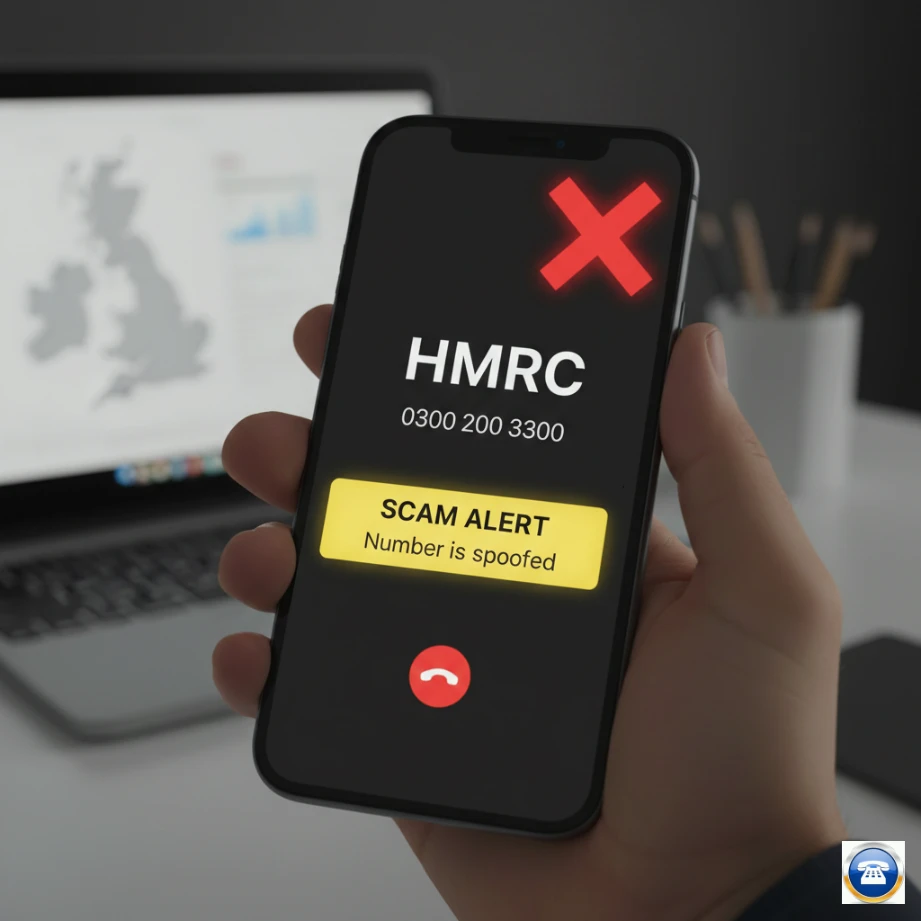
This is probably the most important thing in this entire guide. The number displayed on your phone when someone calls you does not have to be the real number of the person calling. Caller ID spoofing is legal for certain uses (some businesses legitimately display a general contact number rather than a specific line) but is systematically abused by fraudsters.
Scammers can purchase spoofing software or use services that allow them to display any number they choose. This means a call appearing to come from your bank's official fraud line, the HMRC helpdesk number, or even your local police station could be from a criminal calling from overseas.
If you receive an unexpected call from someone claiming to be your bank or a government body, hang up and call back using a number you have independently sourced – from the back of your card, the official website, or a phone book. Do not call back the number that called you.
If a call comes from a number that looks familiar – perhaps your bank's main number – you can still check it here on who-called-me.uk. If the real bank's number has been spoofed by scammers, other people will have reported it. You might also see the bank's official number listed alongside scam reports, which is a strong indicator of spoofing activity.
Regardless of the specific story, almost every phone scam shares the same warning signs. If you encounter any of these, treat the call with extreme caution:
You didn't initiate the contact. The call came out of nowhere about something you weren't expecting.
You're told you must act immediately. You're not given time to think or consult anyone.
Payment requested by bank transfer, gift cards, cryptocurrency or cash courier. No legitimate authority uses these.
"Don't tell your family or bank about this call." If you're told to keep something secret, it's almost certainly a scam.
You're asked to download software that lets the caller see or control your computer or phone.
A prize, refund, investment return or job opportunity that you weren't expecting and seems unrealistically generous.
The TPS (tpsonline.org.uk) is a free service that allows UK residents to opt out of unsolicited sales and marketing calls from companies that comply with UK law. It won't stop criminal operations overseas, but it can significantly reduce the volume of calls you receive, making genuine scam calls easier to spot.
Most modern smartphones have built-in call blocking and spam detection. On iPhone, enable Silence Unknown Callers in Settings. On Android, most phones have spam detection in the Phone app settings. BT, Virgin, Sky and other landline providers offer nuisance call blocking features – often free on request.
This is exactly what who-called-me.uk is here for. If you receive a missed call from an unknown number, search it here before dialling back. It takes about 30 seconds and could prevent significant financial or personal harm. Our database contains millions of UK numbers with community reports from people who've already received calls from the same numbers.
Bookmark who-called-me.uk on your phone right now. The next time you get an unknown missed call, you'll be able to check it instantly before making a potentially costly mistake.
Some scammers research their targets and may know enough to seem credible. Agreeing a family code word that anyone claiming to be a relative or calling on behalf of family must know can help identify genuine emergencies from fraud attempts.
Most UK banks now offer a "confirmation of payee" service that checks the account name matches before you send money. Some also offer verbal passwords or biometric verification for telephone banking. Ask your bank what protective measures they have in place.
If you think you've received a scam call, or if you've already shared information or sent money, here's what to do in order of priority:
Phone scams are sophisticated operations run by professionals. Many victims are intelligent, well-educated people. Scammers specifically exploit the emotional state they create in targets. Reporting quickly gives you the best chance of recovering money and helps protect others.
Older people are disproportionately targeted by phone scammers, partly because they're more likely to answer landline calls and partly because they may have accumulated savings that criminals are trying to access. If you have elderly relatives, these steps can make a real difference.
Many older people don't know that number spoofing is possible, or that their bank would never call asking them to move money. Having an open, non-judgemental conversation about how these scams work removes the embarrassment factor and makes them more likely to pause and check before acting.
Call-blocking landline phones – such as those made by BT or Doro – can be set to only ring through calls from numbers saved in the phone book, with all others going to a screening message. This dramatically reduces the number of unwanted calls reaching your relative.
Make sure they know to call a family member or trusted friend before taking any action a phone caller asks of them, especially anything involving money. "Call me first" as a standing instruction is simple but very effective.
If an elderly relative becomes secretive about phone calls, seems anxious or worried, or starts talking about sending money anywhere, take it seriously and ask gently. Scammers often instruct victims to keep calls secret from family.
Search any UK landline or mobile number and see community reports instantly.